
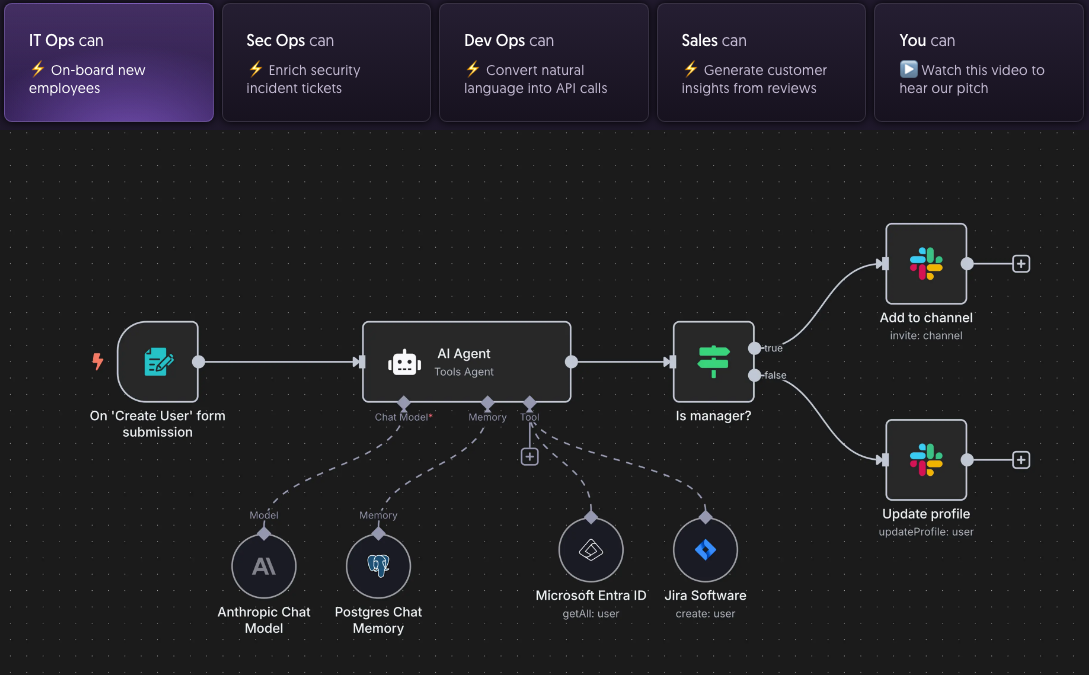
Why Autopilot Systems Matter Now
Most SaaS and tech organizations still rely on manual “glue work” across email, spreadsheets, and tickets, which quietly inflates costs and operational risk over time. Just as structured asset management maximizes the value of physical and digital assets throughout their lifecycle, an automation‑first operating model ensures that every workflow, integration, and data handoff compounds value rather than leaking it. That shift frees leadership from firefighting and creates the visibility needed for confident, data‑driven decisions at scale.
Executive Playbook
-
Map hidden “assets” in your workflows
Identify high‑impact processes that span multiple tools, such as lead routing, onboarding, billing, and incident response. Treat each workflow as an asset with a lifecycle, from trigger to closure, and document owners, systems, and failure points. -
Design end‑to‑end automation paths
Use Make, Zapier, or n8n to connect core systems, then layer custom logic for approvals, edge cases, and exception handling. Start with one “golden path” per process and define clear guardrails for when humans step back into the loop. -
Implement monitoring and “health checks”
Instrument every automation with logging, alerts, and basic SLAs so you see failures before customers do. Treat automations like product features, with versioning, change control, and rollback plans. -
Shift from corrective to preventive operations
Replace reactive fixes with scheduled reviews of key workflows, error patterns, and vendor dependencies. Use this as your cadence to retire brittle hacks, standardize templates, and consolidate overlapping tools. -
Close the loop with continuous optimization
Regularly analyze where work still “falls through the cracks” and which automations generate the highest ROI. Feed those learnings into your automation backlog so your Autopilot System gets smarter as the business grows.
Callouts
-
Pro Tip: Treat your automation stack like infrastructure, not experiments. Give it clear ownership, budgets, and roadmap priority.
-
Pro Tip: Start where failure hurts most, such as revenue operations or customer onboarding, before automating “nice‑to‑have” internal tasks.
-
Watch Out: Over‑automating broken processes makes the wrong thing happen faster. Fix the workflow first, then automate.
Mini Case Studies
-
SaaS RevOps Autopilot
A mid‑market SaaS company connected CRM, billing, help desk, and marketing through an automation hub, centralizing renewals, expansions, and at‑risk accounts. This reduced manual chasing, improved data consistency, and gave leadership a live view of customer value and churn risk across the lifecycle. -
IT Service “No‑Surprises” Operations
Inspired by IT asset management practices, a tech organization implemented an automated playbook for incidents, changes, and service requests. By standardizing templates, automating repetitive tasks, and linking asset and ticket data, they reduced downtime and increased transparency for both IT and business stakeholders.
What’s Next
Start by selecting one end‑to‑end workflow where delays or errors are visibly blocking revenue or customer satisfaction. Define a 30‑day experiment that maps the process, implements a first automation version in Make, Zapier, or n8n, and sets basic monitoring and ownership. Once that path is reliable, extend the Autopilot pattern across adjacent processes and business units.
Bottom Line
-
Autopilot Systems turn fragmented, manual work into auditable, scalable workflows that compound value as you grow.
-
Treat workflows as assets with lifecycles, and you will naturally prioritize monitoring, maintenance, and retirement of those that no longer serve you.
-
My Take: The next competitive edge is not one more AI tool; it is a disciplined automation operating model that lets AI actually move the needle.
Use this transition as a bridge into your broader automation and AI strategy narrative.
My Take
The transformation in automation‑driven operations is not on the horizon; it is unfolding now. Leaders who embrace Autopilot‑style systems today will shape the next era, while those who delay risk being left behind by those leveraging superior models and tools. The most effective starting point? Address your most significant pain points first, and build with flexibility, letting your technology adapt as needs evolve.
If your organization could benefit from strategic expertise in AI, automation, upskilling, document intelligence, or workflow redesign, the team at First AI Movers can help. Reach out at [email protected] to explore how we can help you elevate productivity, efficiency, and compliance.
Dr. Hernani Costa
Founder & CEO of First AI Movers
Open Tabs

AI Eats the World: Benedict Evans on the Next Platform Shift